

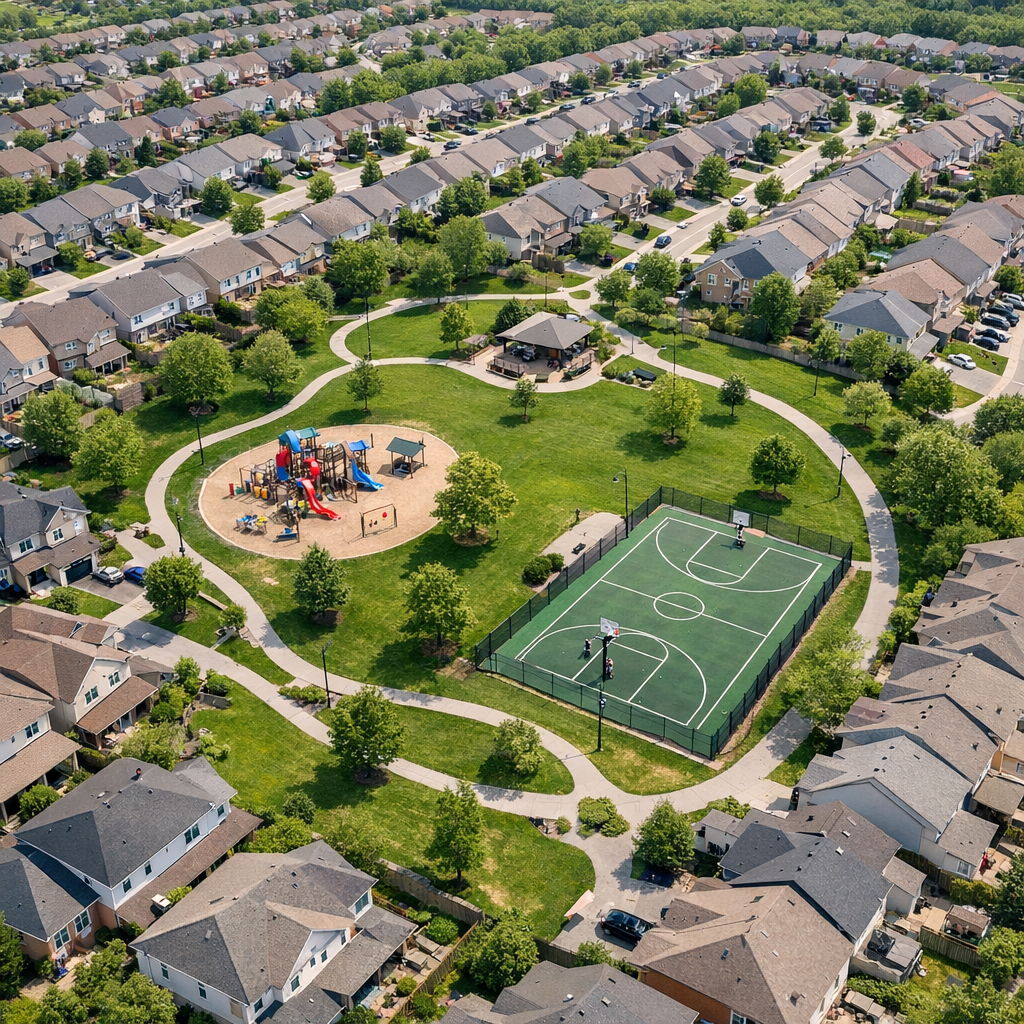
In a significant decision reflecting community sentiment, the Naperville City Council recently voted 6-1 to reject a proposed data center development near Naperville and Warrenville roads. This decision came after months of organized opposition from local residents who voiced concerns about potential environmental impacts, noise pollution, and the facility’s proximity to residential areas.
Community Concerns
Residents from neighborhoods such as Naper Commons, Danada Woods, and Fair Meadows expressed apprehensions about the proposed 200,000-square-foot facility. Key issues highlighted included:
- Environmental Impact: The data center’s reliance on diesel generators raised fears about air quality and emissions.
- Noise Pollution: Continuous operation of the facility could lead to increased noise levels affecting nearby homes and parks.
- Proximity to Residential Areas: The site’s location near homes, parks, and playgrounds was a significant concern for families regarding safety and quality of life.
One resident emphasized, “Just the proximity to homes and residences is really the major issue.”
Council’s Decision
After extensive public hearings and deliberations, the City Council sided with the residents’ concerns. The developer’s proposal to reduce the number of diesel generators from 24 to 12 did not alleviate the community’s apprehensions. The council’s decision underscores the importance of community input in urban development projects and reflects Naperville’s commitment to sustainable and community-friendly growth.
Looking Ahead
While the rejection of the data center proposal marks a victory for concerned residents, it also opens the door for discussions on future developments. The city continues to prioritize projects that align with its sustainability goals and address the needs and concerns of its residents. As Naperville moves forward, the emphasis remains on fostering developments that enhance the community’s quality of life without compromising environmental and public health standards.