
By Sophia Garcia
NAPERVILLE — Sports in America aren’t just about pro teams and big arenas anymore. Across the country, there’s a clear surge in community-based and youth-focused sports. Right here in Naperville, you can see reflections of national shifts — from rising youth participation in lacrosse to increasing adult recreational leagues — all underpinned by a growing demand for inclusion, development, and social connection on and off the field.
Youth Sports: Growth, Competition, and Skill Development
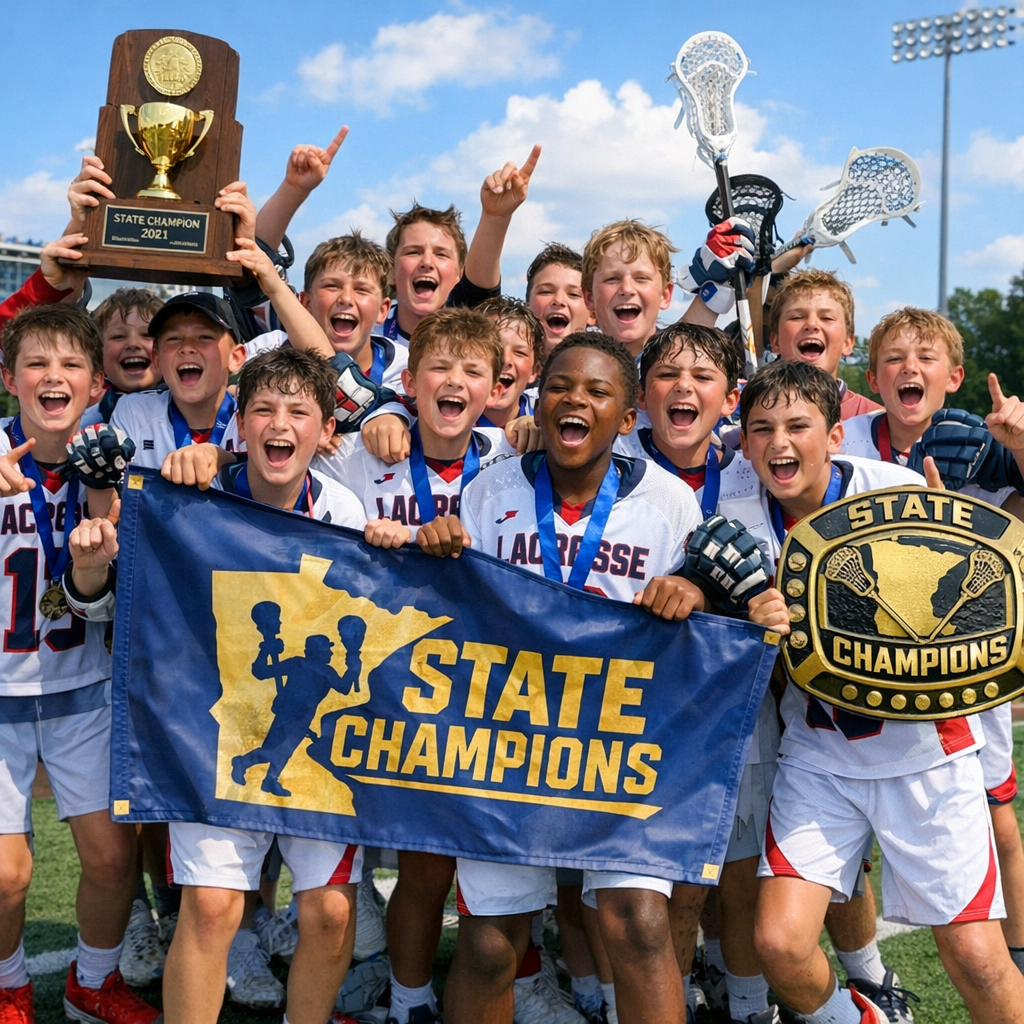
Nationally, youth sports programs are adapting — emphasizing year-round training, team development, and specialization in certain sports while still valuing general athleticism. Naperville’s youth programs mirror this with organizations like Naperville Orange Crush (K–8 lacrosse via East Ave and Naperville Park District). In 2026, both the U10 boys and U12 girls teams of Orange Crush brought home state championship banners.
Similarly, soccer clubs like the Naperville Soccer Association (NSA) offer tryouts for the 2026–2027 season, with age-specific criteria and more structured competition for high school boys, showing the region’s appetite for organized growth and advancing talent levels.
Recreation, Access, and Inclusion are Critical
While elite play gains visibility, demand for recreational, inclusive options keeps pace. Programs under the Naperville Park District — from NYS (Naper Youth Soccer) up to NPSL (Premier Soccer) — provide structured but accessible options for children by age groups, emphasizing participation over elite selection.
Community leagues such as the Naperville Baseball Association, Naperville Diamonds Softball, and multi-sport programs like Hi-Five Sports Camp reinforce the shift away from “win-at-all-costs” toward fostering fundamentals, confidence, sportsmanship, and lifetime engagement.
Adult and Family Participation: Social Connection Through Sport
Just as national data show rising participation in adult recreational leagues, Naperville has seen growth in open-gym setups, drop-in soccer or basketball sessions, and inter-neighborhood games. Churches and park facilities host weekly basketball or soccer gatherings, and leagues for adults and coed softball offer teams based in local neighborhoods.
These opportunities reflect sports’ role in community building — offering physical fitness and social interaction — especially important in times when digital connection often outpaces face-to-face time. Naperville’s open gym drop-ins and neighborhood leagues give adults ways to stay active without needing high commitment or travel.
Balancing Competition & Fun: What Parents & Athletes Want
Nationally, teenagers and parents are pushing back on early specialization; local programs respond with mixed models that allow kids to play multiple sports, try different levels, and shift between competitive and recreational tracks. In Naperville, this is evident in how youth clubs schedule seasonal tryouts alongside recreational programs, allowing students to explore various teams.
Also, cost and accessibility are key. Programs that include in-house divisions or offer pay assistance, minimal equipment requirements, and flexible schedules help reduce barriers. Naperville’s programs often allow uniform variety, emphasize gear basics, and hold practices or games within local parks.
Looking Ahead: What To Expect Next
- A continued emphasis on year-round skill clinics and camps for promising athletes, especially through college or elite pathways.
- More blended models combining competition with recreational fun to retain participation across age groups.
- Further expansion of adult and family-friendly options, including open-gyms, neighborhood leagues, and drop-in sports.
- Technology, social media, and influencer culture likely influencing sport choices, which appeals especially to younger players seeking fun, community, and identity, not just scoreboard wins.
In Naperville—as in much of the U.S.—sports are evolving. They’re not just something we watch, but something we *live*, in ways that build community, friendships, confidence, and health. For local athletes, parents, and organizers, the challenge will always be balancing growth and competition with inclusivity and fun—but so far, it looks like we’re doing pretty well at it.