

Hi, I’m Ethan Martinez. In this column, we look beyond the daily forecast to understand how local ecology—from native plants to invasive species—and city programs combine with seasonal shifts to influence Naperville’s climate and quality of life.
Naperville’s Climate in Context
Nestled in the Midwest, Naperville has a humid continental climate. That means hot, sometimes humid summers; cold winters; and changing seasons that bring varying rainfall and snowfall. These shifts affect which plants thrive, how water drains, and how creatures like insects or birds adapt to changing patterns.
The Value of Native Vegetation
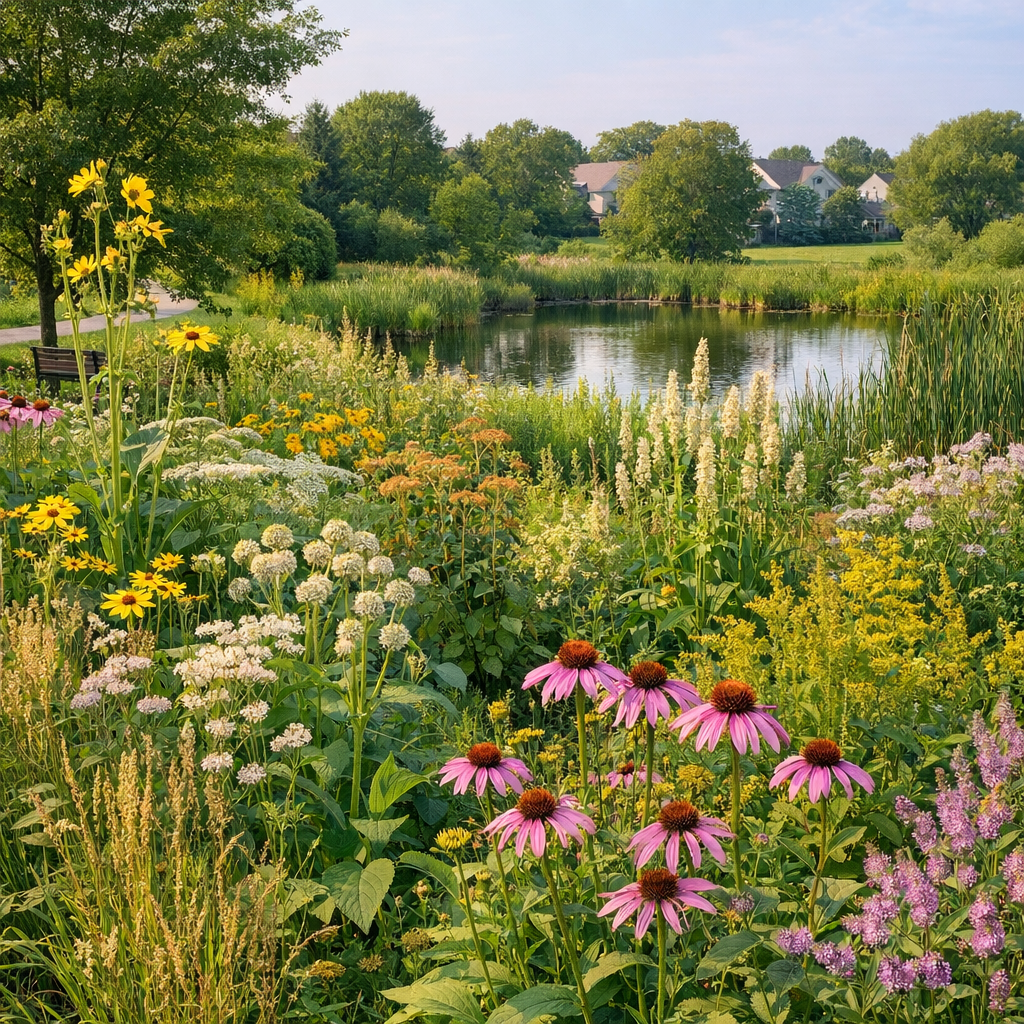
Native plants are adapted to Illinois’s climate. Once established, they often need less water and fewer chemical inputs, resist local pests better, and support local wildlife. Illinois’ “For Your Garden” guide shows that plants like big bluestem, black-eyed Susan, and blazing-star offer pollinators nectar and shelter while helping soil and ecology stay balanced.
Invasive Species: A Growing Concern
Invasive plants and animals are thriving in changing conditions, often outcompeting native species. Common woody invasives like Amur honeysuckle, buckthorn, and bush honeysuckles spread quickly, shading out native understory plants. Non-native insects and pathogens—such as those attacking ash trees—cause additional strain. These are accelerating in part because of warmer winters, wetter springs, and disturbances from storms or development.
Naperville’s Sustainability Actions
The City of Naperville is tackling these challenges on multiple fronts. Its 2025 Sustainability Workplan includes programs to restore native landscapes, replace and treat ash trees under threat from emerald ash borer, and boost tree canopy through planting initiatives. Composting, solar energy grants, and transitioning landscaping equipment to electric also figure into the plan—as do water conservation and protecting local creeks and waterways.
What You Can Do Locally
- Plant native species in your yard or parkway—choose local ecotypes when possible.
- Learn to identify invasives; help remove them safely.
- Support neighborhood-scale actions like rain gardens, leaf composting, and reducing lawn size.
- Stay involved: volunteer for local cleanups, follow NEST (Naperville Environment & Sustainability Task Force), attend public tree plantings.
Adapting to Seasonal and Long-Term Change
Seasons will always shift, but climate trends are altering how they arrive and affect us. Longer warm periods may bring stress on plants from heat or drought; heavy rainfalls can lead to flooding or erosion. By working with native plants that tolerate local extremes, promoting clean air and water, and managing green space intelligently, our community can keep Naperville resilient.
As your weather & environment correspondent, I’ll continue to share how these trends show up here in Naperville—whether in heavy storms, tree health, or wildlife sightings. Until next time, keep eyes on the skies and roots in the ground.