

In a significant decision reflecting community sentiment, the Naperville City Council voted 6-1 to reject a proposed data center development near the intersection of Naperville and Warrenville roads. This decision came after months of organized opposition from local residents who raised concerns about the project’s potential environmental impact and its proximity to residential areas.
Community Concerns
Residents from neighborhoods such as Naper Commons, Danada Woods, Fair Meadows, and Indian Hill voiced apprehensions regarding the proposed 145,000-square-foot facility. Key issues highlighted included:
- Environmental Impact: The facility’s reliance on diesel generators raised fears about increased emissions and noise pollution.
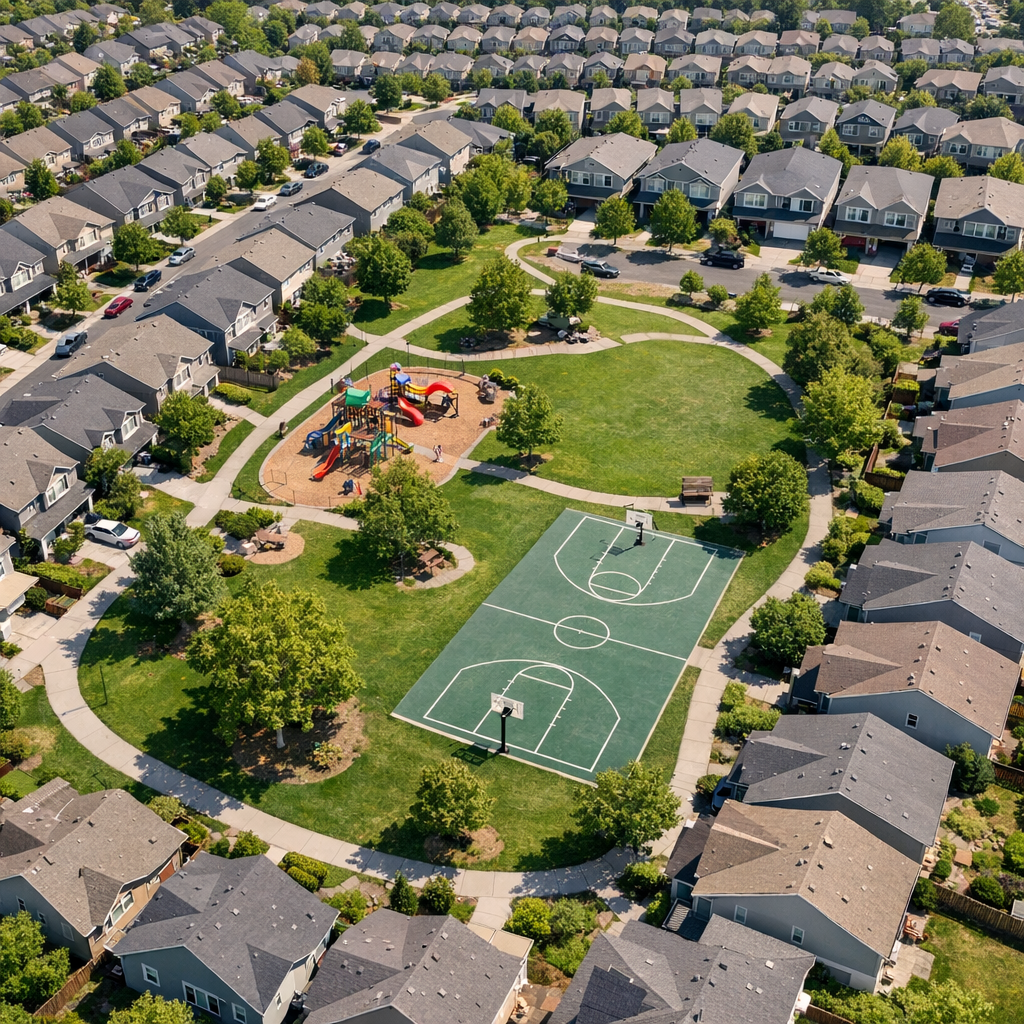
- Proximity to Homes: The site’s location near homes, parks, and playgrounds led to worries about the quality of life and potential health risks for residents.
- Utility Strain: Concerns were also raised about the facility’s substantial power consumption and its effect on local utility infrastructure.
One resident expressed, “We do not want a data center anywhere in Naperville or even Illinois. Not near our trees, not near our water.”
Council’s Decision
During the council meeting, the developer, Karis Critical, proposed reducing the number of diesel generators from 24 to 12 in an attempt to address some of the concerns. However, this amendment did not alleviate the apprehensions of the council members or the residents. The council’s decision to deny the proposal underscores the importance of community input in local development projects and reflects Naperville’s commitment to sustainable and community-friendly growth.
Looking Ahead
This outcome highlights the necessity for developers to engage with local communities early in the planning process to ensure that projects align with the values and needs of residents. As Naperville continues to grow, balancing development with environmental stewardship and community well-being remains a priority for city officials and residents alike.